While exploit-based methods (using tools like DC-Unlocker or test-point shorting) exist for some Huawei devices, they are risky, often require paid credits, and can permanently damage the device if done incorrectly. Even if one succeeds in unlocking the bootloader, the lack of a custom recovery compiled specifically for the MediaPad T3 7’s partition layout and hardware renders the effort moot. A few scattered XDA Developers forum threads show users attempting to port TWRP from similar MediaTek tablets, but none have produced a stable, fully functional version. Custom ROM development is driven by passion and community demand. Developers dedicate hundreds of hours to reverse-engineer devices, fix bugs, and maintain builds. They typically choose devices with a large, enthusiastic user base. The MediaPad T3 7 sold reasonably well as a low-cost Amazon or Walmart tablet, but its target audience was not enthusiasts; it was casual users who would never dream of flashing a ROM. Consequently, the device never built the critical mass of developers needed to start a project.
In the world of Android tablets, the Huawei MediaPad T3 7 occupies a peculiar space. Released in 2017 as an ultra-budget entry-level device, it was designed for one primary purpose: basic media consumption. With its modest 7-inch 1024x600 display, 1GB or 2GB of RAM, and the entry-level MediaTek MT8127 processor, it was never intended to be a powerhouse. For years, it served its role adequately, running Android 7.0 Nougat with Huawei's EMUI 5.1 skin. However, as time has passed, the device has aged poorly. Outdated security patches, sluggish performance, and a lack of official software updates have left many users wondering if there is a second life for this tablet through the underground world of custom ROMs .
Some users have successfully used ROMs, part of Google's Project Treble. However, the MediaPad T3 7 shipped with Android 7.0, and Treble was introduced with Android 8.0. Huawei did not update this tablet to support Treble, meaning GSIs are not compatible. This closes the last potential avenue for an easy custom ROM installation. The Verdict: Is There Any Hope? As of 2025, the realistic answer is no . There is no stable, daily-drivable custom ROM for the Huawei MediaPad T3 7. No LineageOS. No crDroid. No Resurrection Remix. The combination of an uncooperative MediaTek processor, a locked bootloader with no official unlock method, a near-total absence of kernel source, and a tiny developer community has made this device a "custom ROM graveyard."
On XDA-Developers, the central hub for custom ROM activity, the MediaPad T3 7 does not even have its own dedicated forum. It is often lumped into a general "Huawei MediaPad T3" section dominated by the 8-inch and 10-inch models, which themselves have only minimal development. A search for "BG2-U01 custom ROM" yields little more than a handful of dead links, requests, and one or two users asking if anyone has succeeded. The silence is telling. To be thorough, one might encounter mentions of "stock ROMs" or "firmware updates" that are mistakenly called custom ROMs on third-party sites. These are typically official Huawei update packages (UPDATE.APP files) or unbranded stock firmware intended for restoring a bricked device. They are not custom ROMs. There are also "debloated" stock ROMs—modified versions of the original firmware with Huawei's apps removed. While these can offer a slight performance boost, they are not true custom ROMs built from AOSP source code, and they do not update the underlying Android version (which remains stuck at Nougat).
The short answer for the Huawei MediaPad T3 7 (model numbers typically beginning with BG2-U01 or BG2-W09) is a frustrating one: Unlike its more popular counterparts, such as Samsung Galaxy Tab series or even Huawei’s own flagship phones, this budget tablet was largely ignored by the independent developer community. To understand why, one must dissect the technical, commercial, and logistical barriers that have kept this device locked in its stock firmware. The Primary Obstacle: The MediaTek Factor The single greatest hurdle for developing a custom ROM on the MediaPad T3 7 is its MediaTek MT8127 system-on-chip (SoC) . The world of aftermarket Android development (AOSP-based ROMs like LineageOS, Pixel Experience, or crDroid) has historically been dominated by Qualcomm Snapdragon processors. Qualcomm is notoriously developer-friendly; it releases proper documentation, kernel sources, and tools like the Qualcomm Package Bootloader (QPST) that make creating custom recoveries and ROMs manageable.
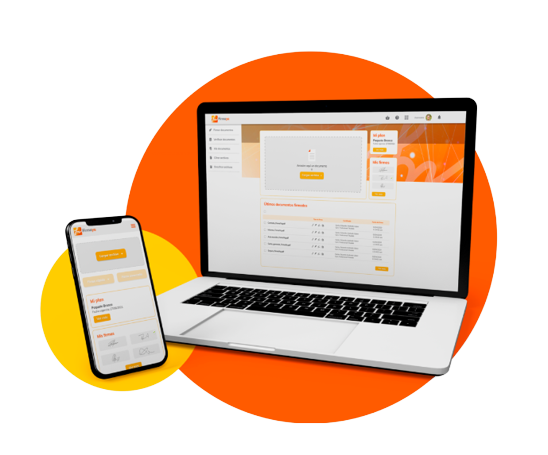
Desde cualquier lugar
Firma tus documentos completamente en línea, desde cualquier navegador web de forma fácil, segura y confiable.
Ver planes y precios
Desde cualquier lugar
Firma tus documentos completamente en línea, desde cualquier navegador web de forma fácil, segura y confiable.
Agiliza tus procesos
¡Cansado de crear y firmar volúmenes de documentos uno por uno! Con Firmaya eso se acabó… Nuestra herramienta te permite simplificar tus procesos sin complicaciones.
Agiliza tus procesos
¡Cansado de crear y firmar volúmenes de documentos uno por uno! Con Firmaya eso se acabó… Nuestra herramienta te permite simplificar tus procesos sin complicaciones.
Ver planes y preciosFirma sin límites
Adquiere tu firma digital centralizada y recibe de manera gratuita nuestro Firmaya Driver, para que firmes todo lo que necesitas sin límite alguno y sin Token.
Ver certificados digitales
Firma sin límites
Adquiere tu firma digital centralizada y recibe de manera gratuita nuestro Firmaya Driver, para que firmes todo lo que necesitas sin límite alguno y sin Token.
100% Legal
Tus documentos contarán con toda la validez jurídica y seguridad, debido a que GSE es una entidad de certificación digital acreditada por ONAC.
Integración con tus aplicaciones
Firmaya se integra a la perfección con las aplicaciones y servicios que actualmente tu empresa este utilizando.
Olvídate del papel
No más impresión, ni escaneado de documentos, con nuestra solución ahorrarás dinero y ayudarás al medio ambiente.
100% Legal
Tus documentos contarán con toda la validez jurídica y seguridad, debido a que GSE es una entidad de certificación digital acreditada por ONAC.
Firmaya se integra a la perfección con las aplicaciones y servicios que actualmente tu empresa este utilizando.
Integración con tus aplicaciones
Olvídate del papel
No más impresión, ni escaneado de documentos, con nuestra solución ahorrarás dinero y ayudarás al medio ambiente.
¡Funciona para todos!
Fácil para las personas y potente para las empresas.
Personas
Firma documentos rápidamente para liberar tiempo en tus tareas más importantes. No solo se vuelve más fácil para las personas hacer negocios contigo, sino que también te verás más profesional.
Empresas
Concéntrate en las partes importantes de tu negocio, acelera las ventas, cierre tratos más rápido, y firma tus documentos con unos pocos clics.
While exploit-based methods (using tools like DC-Unlocker or test-point shorting) exist for some Huawei devices, they are risky, often require paid credits, and can permanently damage the device if done incorrectly. Even if one succeeds in unlocking the bootloader, the lack of a custom recovery compiled specifically for the MediaPad T3 7’s partition layout and hardware renders the effort moot. A few scattered XDA Developers forum threads show users attempting to port TWRP from similar MediaTek tablets, but none have produced a stable, fully functional version. Custom ROM development is driven by passion and community demand. Developers dedicate hundreds of hours to reverse-engineer devices, fix bugs, and maintain builds. They typically choose devices with a large, enthusiastic user base. The MediaPad T3 7 sold reasonably well as a low-cost Amazon or Walmart tablet, but its target audience was not enthusiasts; it was casual users who would never dream of flashing a ROM. Consequently, the device never built the critical mass of developers needed to start a project.
In the world of Android tablets, the Huawei MediaPad T3 7 occupies a peculiar space. Released in 2017 as an ultra-budget entry-level device, it was designed for one primary purpose: basic media consumption. With its modest 7-inch 1024x600 display, 1GB or 2GB of RAM, and the entry-level MediaTek MT8127 processor, it was never intended to be a powerhouse. For years, it served its role adequately, running Android 7.0 Nougat with Huawei's EMUI 5.1 skin. However, as time has passed, the device has aged poorly. Outdated security patches, sluggish performance, and a lack of official software updates have left many users wondering if there is a second life for this tablet through the underground world of custom ROMs . huawei mediapad t3 7 custom rom
Some users have successfully used ROMs, part of Google's Project Treble. However, the MediaPad T3 7 shipped with Android 7.0, and Treble was introduced with Android 8.0. Huawei did not update this tablet to support Treble, meaning GSIs are not compatible. This closes the last potential avenue for an easy custom ROM installation. The Verdict: Is There Any Hope? As of 2025, the realistic answer is no . There is no stable, daily-drivable custom ROM for the Huawei MediaPad T3 7. No LineageOS. No crDroid. No Resurrection Remix. The combination of an uncooperative MediaTek processor, a locked bootloader with no official unlock method, a near-total absence of kernel source, and a tiny developer community has made this device a "custom ROM graveyard." While exploit-based methods (using tools like DC-Unlocker or
On XDA-Developers, the central hub for custom ROM activity, the MediaPad T3 7 does not even have its own dedicated forum. It is often lumped into a general "Huawei MediaPad T3" section dominated by the 8-inch and 10-inch models, which themselves have only minimal development. A search for "BG2-U01 custom ROM" yields little more than a handful of dead links, requests, and one or two users asking if anyone has succeeded. The silence is telling. To be thorough, one might encounter mentions of "stock ROMs" or "firmware updates" that are mistakenly called custom ROMs on third-party sites. These are typically official Huawei update packages (UPDATE.APP files) or unbranded stock firmware intended for restoring a bricked device. They are not custom ROMs. There are also "debloated" stock ROMs—modified versions of the original firmware with Huawei's apps removed. While these can offer a slight performance boost, they are not true custom ROMs built from AOSP source code, and they do not update the underlying Android version (which remains stuck at Nougat). Custom ROM development is driven by passion and
The short answer for the Huawei MediaPad T3 7 (model numbers typically beginning with BG2-U01 or BG2-W09) is a frustrating one: Unlike its more popular counterparts, such as Samsung Galaxy Tab series or even Huawei’s own flagship phones, this budget tablet was largely ignored by the independent developer community. To understand why, one must dissect the technical, commercial, and logistical barriers that have kept this device locked in its stock firmware. The Primary Obstacle: The MediaTek Factor The single greatest hurdle for developing a custom ROM on the MediaPad T3 7 is its MediaTek MT8127 system-on-chip (SoC) . The world of aftermarket Android development (AOSP-based ROMs like LineageOS, Pixel Experience, or crDroid) has historically been dominated by Qualcomm Snapdragon processors. Qualcomm is notoriously developer-friendly; it releases proper documentation, kernel sources, and tools like the Qualcomm Package Bootloader (QPST) that make creating custom recoveries and ROMs manageable.

Solicita más información
Dejános tus datos y un experto se pondrá en contacto contigo para asesorarte.
Preguntas frecuentes
Conoce las respuestas a las inquietudes más comunes sobre firmas electrónicas y digitales.
Preguntas frecuentes
Conoce las respuestas a las inquietudes más comunes sobre firmas electrónicas y digitales.