At the heart of the curriculum lies the mechanics of hemodialysis. Students must master the three fundamental principles: diffusion (waste removal via concentration gradients), osmosis (fluid removal via pressure gradients), and ultrafiltration (the controlled removal of excess plasma water). The curriculum provides a detailed breakdown of the dialysis delivery system, including the blood pump, dialyzer (artificial kidney), proportioning system (mixing dialysate), and safety alarms (air detectors, pressure monitors). Technicians are trained to perform pre-treatment machine checks, conduct water treatment testing (chlorine, pH, conductivity), and troubleshoot common alarms. Crucially, this module emphasizes that the technician is the last safety net; they must understand not just how to start a machine, but how to recognize when a machine is failing.
The core curriculum for the dialysis technician is far more than a technical manual; it is a comprehensive blueprint for delivering safe, effective, and compassionate renal replacement therapy. It transforms a layperson into a specialist who understands renal failure at the cellular level, operates complex machinery with precision, manages life-threatening complications, and supports patients through a chronic, debilitating illness. As the prevalence of diabetes and hypertension—the two leading causes of kidney failure—continues to rise, the demand for well-trained dialysis technicians will grow in parallel. A standardized, rigorous core curriculum ensures that these professionals do not merely run machines, but actively preserve the dignity and lives of those they serve. In the quiet hum of the dialysis clinic, the difference between a good outcome and a tragedy often rests on the knowledge encoded in that curriculum.
The patient’s vascular access is their lifeline, and its care is the technician’s primary daily responsibility. The curriculum differentiates between the three main types of access: the arteriovenous (AV) fistula (gold standard), the AV graft, and the central venous catheter (CVC). For fistulas and grafts, technicians undergo intensive training in physical assessment (palpating for thrill, auscultating for bruit) and aseptic cannulation techniques. This module covers "rope ladder" versus "buttonhole" cannulation methods, needle selection, and management of complications such as infiltration, hematoma, and aneurysm formation. For CVCs, the focus is on strict sterile technique and recognition of line sepsis. This is the most skill-intensive part of the curriculum, requiring hundreds of supervised practice hours to achieve proficiency without causing patient trauma. Core Curriculum For The Dialysis Technician.pdf
The core curriculum begins not with the machine, but with the organ it replaces: the kidney. A competent technician must understand the nephron, the kidney’s functional unit, and the processes of filtration, reabsorption, and secretion. This module covers the pathophysiology of chronic kidney disease (CKD), including the progression from Stage 1 to Stage 5 (ESRD). Students learn the "A, B, C, D" of uremic symptoms: Anemia (due to lack of erythropoietin), Bone disease (calcium/phosphorus imbalance), Cardiovascular complications (fluid overload), and Deranged electrolytes (specifically potassium). Without this foundational knowledge, a technician cannot appreciate why a patient’s rising potassium level leads to cardiac arrest or why removing too much fluid causes hypotensive shock. This module bridges the gap between a mechanical task and a biological intervention.
Patients on dialysis are profoundly immunocompromised. The core curriculum dedicates significant time to infection prevention, focusing on bloodborne pathogens (Hepatitis B, C, HIV) and waterborne bacteria. Key topics include standard precautions, hand hygiene, proper disposal of sharps, and isolation procedures for Hepatitis B positive patients. The curriculum mandates training on the AAMI (Association for the Advancement of Medical Instrumentation) standards for water quality and dialysate preparation. Technicians learn how to disinfect machines between uses, perform bleach recirculation, and test for residual sterilant. In this module, a seemingly minor error—like a loose connection on a water line—is treated as a potential catastrophe, as it could introduce bacteria directly into a patient’s bloodstream. At the heart of the curriculum lies the
The Blueprint of Care: Understanding the Core Curriculum for the Dialysis Technician
Beyond the technical and clinical skills, the core curriculum recognizes the technician’s role as a consistent, trusted presence. Patients typically dialyze three times per week for three to four hours per session, creating a unique caregiver-patient relationship. This module teaches communication strategies for dealing with non-adherence (e.g., missing treatments, fluid weight gains), depression, and anxiety. Technicians are trained to reinforce dietary restrictions (low potassium, low phosphorus, low sodium) and medication compliance. While the technician is not a therapist, their ability to listen and encourage can dramatically impact patient outcomes. The curriculum emphasizes compassion without overstepping professional boundaries. It transforms a layperson into a specialist who
In the landscape of modern medicine, few treatments are as demanding, repetitive, and life-sustaining as dialysis. For over 500,000 patients in the United States alone suffering from End-Stage Renal Disease (ESRD), hemodialysis is not a cure but a lifeline—a mechanical replacement for failed kidneys. At the bedside of these patients stands the dialysis technician, a specialized allied health professional responsible for operating complex machinery, monitoring vital signs, and ensuring patient safety. Unlike a general nurse’s assistant, the dialysis technician requires a unique, focused body of knowledge. This essay explores the core curriculum for the dialysis technician, arguing that a standardized educational framework—encompassing renal anatomy, vascular access care, machine technology, patient monitoring, and infection control—is essential not only for clinical competence but for the preservation of human life.
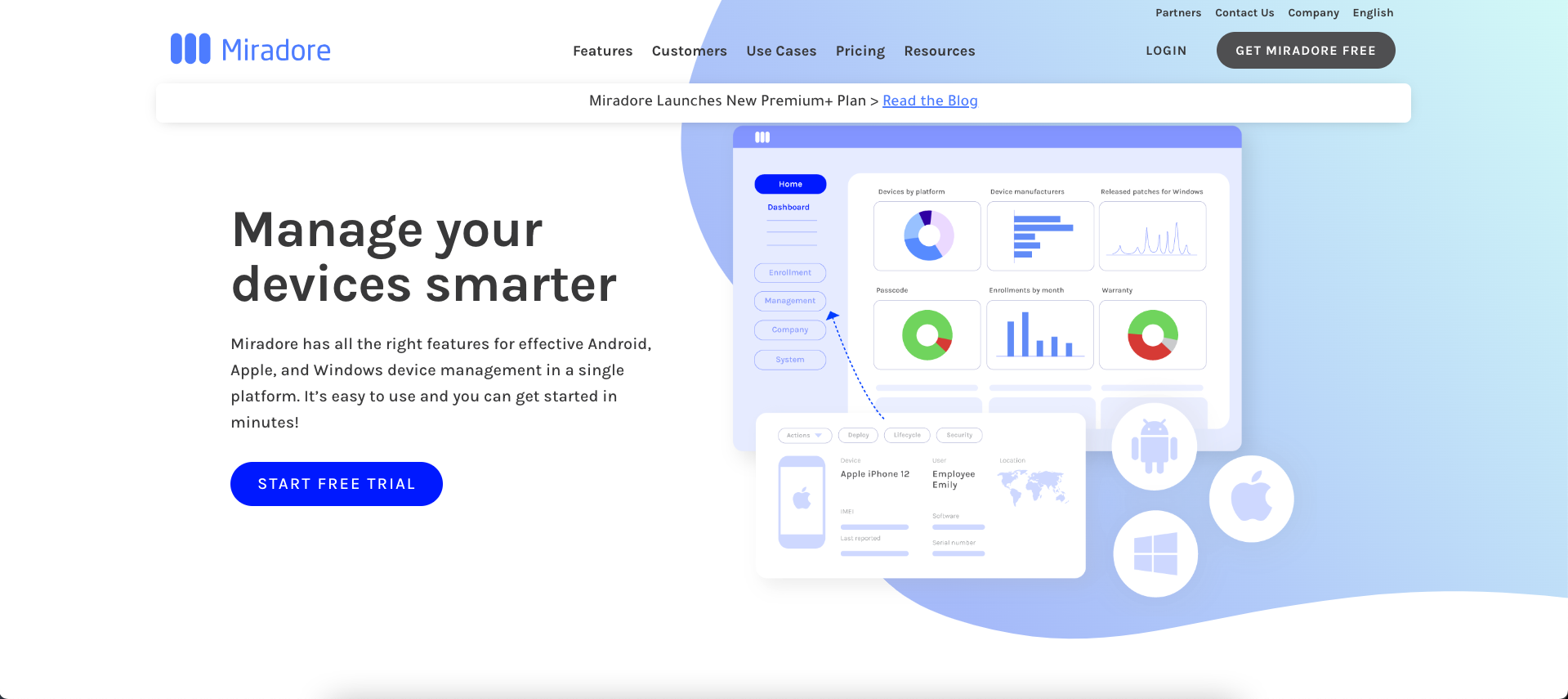
Miradore offers a comprehensive and user-friendly mobile device management platform that allows businesses to seamlessly secure, control, and automate a diverse array of devices including smartphones, laptops, and tablets, catering to the needs of SMBs, IT service providers, and educational institutions for streamlined operations and enhanced device compliance.
Enables businesses to enroll, secure, and manage mobile devices, ensuring streamlined operations and device compliance.
A comprehensive management solution that secures and manages a wide range of mobile devices within a corporate environment.
Unifies the management of mobile devices, laptops, and desktops under a single platform for better control and security.
Allows employees to use their personal devices for work while maintaining security and compliance with corporate policies.
Award-winning MDM solution recognized for its effectiveness, ease of use, and intuitive interface.
Supports a wide range of device restrictions, particularly for Apple iOS, offering strong control over device functionality.
Provides Kiosk mode for Android devices running Android 9 and above, ensuring devices are used for their intended purpose.
While offering a strong suite of features, brand recognition in the competitive MDM market could be increased.
Signing up with Miradore means starting to manage your Android, Apple, and Windows devices with their MDM software. You will likely explore features such as security management, device control, and automation capabilities like Business Policies. To get going with Miradore, you can sign up for a free 14-day trial on their website or contact their sales team for assistance. If Miradore isn't the perfect match for you, remember that there are other companies in our rankings to consider.